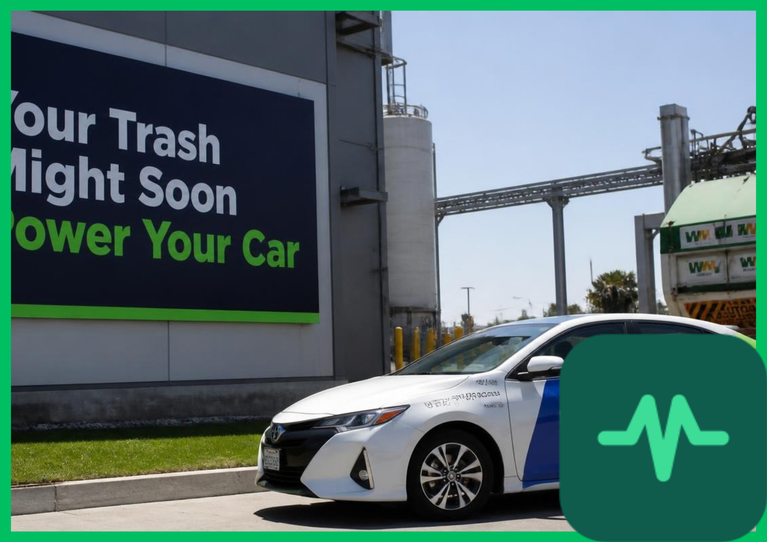
Most of it ends up in a landfill. But some of it could soon end up in a fuel tank instead.
The basic idea
Scientists have found ways to turn waste into hydrogen. This hydrogen can then power cars, trucks, and even factories.
The process sounds strange at first. But it makes sense once you see it.
How waste becomes fuel
Waste like food scraps, farm leftovers, and sewage sludge contains energy. That energy is normally lost. It just rots away.
New methods capture that energy instead. They break the waste down and pull hydrogen out of it. This hydrogen burns clean. It leaves no carbon behind.
Why this matters
Most hydrogen today comes from fossil fuels. That's not very clean. It creates emissions, which defeats the purpose.
Hydrogen made from waste is different. It uses something we already have too much of. And it solves two problems at once. It gives us clean fuel. It also gets rid of waste that would otherwise pollute the ground.
The two main paths
There are two ways to make hydrogen from waste. One uses heat. The other uses living organisms.
The heat-based method breaks waste down using high temperatures. It works fast. It handles many types of waste well.
The biological method uses bacteria instead. These tiny organisms eat waste and produce hydrogen as they digest it. This process is slower. But it needs less energy to run.
Each method has its place. The best choice depends on what waste is available and how much space and time you have.
The honest challenges
This technology isn't perfect yet. Not all waste works equally well. Some types produce more hydrogen than others.
Cost is also a real issue. Building the equipment needed takes real money. Right now, this makes waste-based hydrogen more expensive than we'd like.
Scale is another hurdle. Small tests work well in labs. Making this work at a city-wide level is much harder.
Why it's still worth doing
Even with these challenges, the idea has real promise. Every ton of waste turned into fuel is a ton that doesn't rot in a landfill. That waste would have released methane, a gas far worse for the climate than carbon dioxide.
So this isn't just about making fuel. It's about fixing two problems with one solution.
Where this fits into a circular economy
A circular economy tries to use everything twice. Nothing gets wasted. Old things become new things.
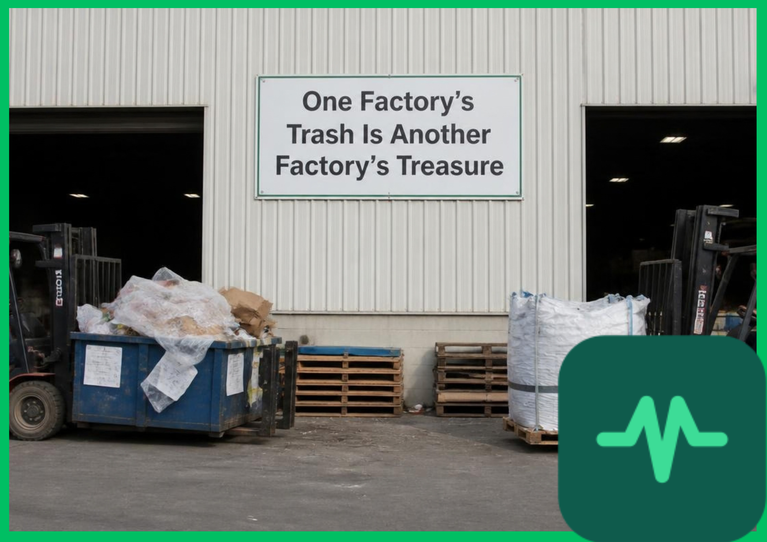
Waste-to-hydrogen fits this idea perfectly. Trash becomes treasure. What we throw away becomes what powers our cars.
This is very different from how we've always done things. In the old system, we dig up new resources, use them once, then throw them away. The circular system keeps materials moving instead of ending in a pile.
What this could look like in your city
Imagine a local plant that takes food waste from restaurants and homes. Instead of a landfill, that waste goes to a facility nearby. There, it gets turned into hydrogen.
That hydrogen could fuel city buses. It could power delivery trucks. It could even heat nearby buildings.
This isn't science fiction. Small versions of this already exist in a few places today. The technology is real. It just needs more investment and more time to spread.
What you can actually do
You probably can't build a hydrogen plant in your backyard. But you can support the idea in small ways.
Support local recycling and composting programs. The more organized our waste streams are, the easier it is to turn them into fuel later.
Ask your city officials about waste-to-energy projects. Local pressure often speeds up local investment.
And simply understanding this technology helps. The more people know it's possible, the faster it grows.
The bigger picture
We produce enormous amounts of waste every single day. Most of it just disappears into the ground, doing nothing useful ever again.
Turning even a fraction of that waste into hydrogen fuel changes the math completely. It shrinks landfills. It cuts methane emissions. And it gives us clean fuel we didn't have before.
The bottom line
Hydrogen from waste sounds unusual, but the science behind it is solid. We already produce more waste than we know what to do with. Turning some of it into fuel is a smart, practical answer.
This technology is still young. But it's growing fast, and for good reason. Sometimes the best solutions come from things we've been throwing away all along.



Comments (0)
Login to leave a comment.
No comments yet. Be the first to share your thoughts!