
The honest trend worth understanding
Across many regions, buyers continue favoring larger vehicles, especially SUVs, even as they switch to electric power. This preference existed with gas-powered vehicles too, and it hasn't disappeared just because the underlying technology changed.
Manufacturers, naturally responding to this demand, have built many of their most popular electric vehicle offerings around larger vehicle bodies rather than smaller, more efficient ones.
Why buyers keep choosing bigger vehicles
Larger vehicles often appeal to buyers for practical reasons, more interior space, a feeling of safety, and greater cargo capacity for families or active lifestyles. These preferences existed long before electric vehicles arrived, and they've simply carried over.
Manufacturers also often earn stronger profit margins on larger vehicles, giving them a genuine business incentive to prioritize these models in their electric vehicle lineups as well.
Why this creates a real tension with efficiency goals
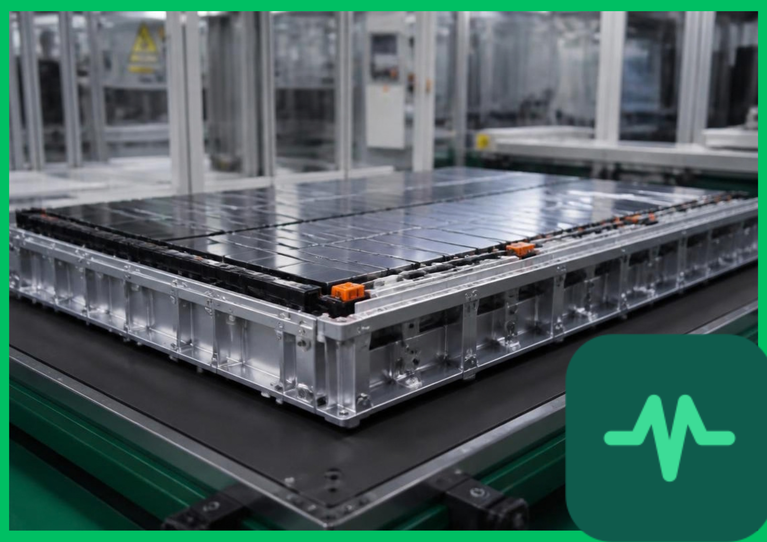
A larger vehicle requires a larger, heavier battery to achieve the same driving range as a smaller vehicle. This means more raw materials, more manufacturing resources, and ultimately more embedded emissions during production compared to a smaller electric vehicle.
This creates an honest tension. Electric vehicles reduce emissions during driving, but building larger vehicles, even electric ones, still requires proportionally more resources than smaller alternatives would.
How this connects to the critical minerals challenge
As we've discussed elsewhere, materials needed for batteries face real supply constraints. Larger vehicles requiring bigger batteries put additional strain on this already tight supply, compared to a world where more buyers chose smaller vehicles instead.
This means the size trend doesn't just affect vehicle emissions directly. It also affects broader questions about battery material availability and pricing across the entire industry.
Why manufacturers haven't pushed back against this trend
From a pure business perspective, building what customers actively want to buy makes sense. Manufacturers have limited incentive to discourage a preference that continues driving strong sales and healthy profit margins.
This means the responsibility for shifting this trend doesn't rest with manufacturers alone. Buyer preferences play just as significant a role in shaping what actually gets built and sold.
The honest counterargument worth considering
Some argue that a large SUV replacing an equally large, traditional gas-powered SUV still represents genuine, meaningful progress, since it eliminates tailpipe emissions entirely during driving, regardless of the vehicle's overall size.
This is a fair, legitimate point. The comparison matters. A large electric SUV replacing a large gas SUV is different from comparing that same electric SUV against a smaller electric hatchback that could have replaced it instead.
Why smaller electric vehicles still matter
Smaller electric vehicles use less battery material, require fewer resources to manufacture, and often deliver very practical range for typical daily driving needs. For many buyers, they represent a genuinely efficient, sensible option.
The challenge is that smaller vehicles often receive less marketing attention and fewer model options compared to larger vehicles, partly reflecting the same profit and preference dynamics driving the broader size trend.
What this means for the pace of the broader transition
If more buyers chose smaller electric vehicles, available battery materials could support a larger total number of vehicles overall, potentially accelerating the broader shift away from gas-powered cars more quickly.
This represents a genuine, honest tradeoff worth considering, not a simple case of bigger electric vehicles being bad and smaller ones being good, but rather a more nuanced question about how to make the most of genuinely limited resources.
Why this trend might eventually shift
As battery costs and material constraints continue drawing attention, some manufacturers may find genuine business reasons to expand smaller, more efficient electric vehicle offerings, particularly in markets increasingly sensitive to vehicle pricing and material costs.
Consumer awareness of this broader tradeoff could also gradually shift preferences over time, though this kind of cultural shift typically happens slowly, over years rather than months.
What this means if you're considering an electric vehicle yourself
If a smaller electric vehicle genuinely fits your actual needs, choosing it represents a meaningfully more resource-efficient choice compared to a larger alternative, beyond just personal preference or cost considerations alone.
This isn't about judging anyone's specific vehicle choice. It's simply useful, honest context for understanding the broader tradeoffs at play across the whole industry right now.
The bottom line
Electric vehicles haven't eliminated the long-standing preference for larger vehicles, and in many markets, that preference continues shaping what manufacturers build and sell. This creates a genuine, honest tension with efficiency and resource goals that the technology alone can't fully resolve.
Buyer preferences and manufacturer incentives both play a role here, meaning meaningful change would likely require some shift in both. Understanding this tension gives you a more complete picture of how the electric vehicle transition is actually unfolding worldwide.
Comments (0)
Login to leave a comment.
No comments yet. Be the first to share your thoughts!