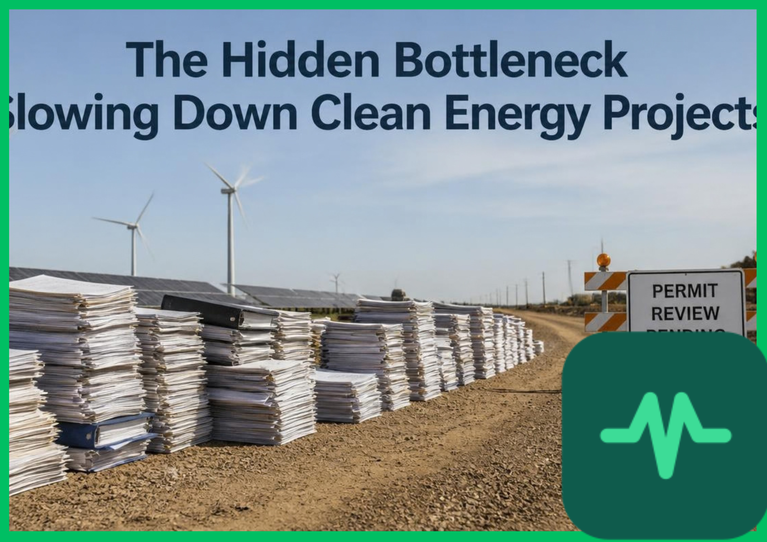
The harder, more honest challenge frequently happens afterward, actually connecting that new project to the existing electricity grid so its power can reach homes and businesses.
What grid connection actually means
Building generation capacity, the solar panels or wind turbines themselves, is only one part of getting clean energy to actually work. That new capacity needs a physical connection to the broader electricity grid, along with technical approval confirming the grid can safely handle the additional power being added.
This process, often called grid connection or interconnection, has become a genuinely significant bottleneck in many regions experiencing rapid renewable energy growth.
Why this bottleneck exists
Electricity grids were largely designed decades ago, built around a smaller number of large, centralized power plants rather than the more distributed, numerous renewable projects being added today.
Adapting this existing infrastructure to handle many more, often smaller, more geographically spread out generation sources requires genuine engineering work, careful technical review, and often physical infrastructure upgrades that take considerable time to complete properly.
The honest scale of the delay problem
In many regions experiencing rapid renewable growth, new projects now face genuinely lengthy waiting periods simply to receive grid connection approval, sometimes taking considerably longer than the actual physical construction of the generation project itself.
This creates a genuinely frustrating situation where technically ready, fully built renewable projects sit waiting, unable to actually deliver power, purely due to this administrative and technical bottleneck rather than any problem with the generation technology itself.
Why this matters beyond just individual project delays
These delays genuinely slow the pace at which renewable energy can meaningfully replace other, less clean sources of electricity generation. Every month a completed project waits for grid connection represents genuine, honest lost opportunity for cleaner electricity generation that's technically ready to operate.
At a larger, systemic scale, widespread connection delays across many projects can meaningfully slow overall national or regional progress toward clean energy targets, even when individual project development itself proceeds smoothly and on schedule.
What's being done to address this honestly
Grid operators and regulators in various regions have begun implementing reforms aimed at streamlining the connection approval process, reducing unnecessary delays while still maintaining genuine technical safety and reliability standards.
Investment in grid infrastructure itself, upgrading existing transmission and distribution systems to handle increased renewable capacity, represents another genuine, necessary part of addressing this bottleneck more fundamentally, rather than simply processing existing infrastructure more efficiently.
The honest complexity worth understanding
This isn't simply a matter of bureaucratic inefficiency, though process improvements genuinely help. Grids must maintain reliable, stable operation, and adding significant new generation capacity requires genuine technical verification to ensure this doesn't create instability or safety concerns.
Balancing genuine thoroughness with necessary speed represents an honest, ongoing challenge that grid operators and regulators continue working through, rather than a problem with an obvious, simple, complete solution.
Why this connects to broader energy market dynamics
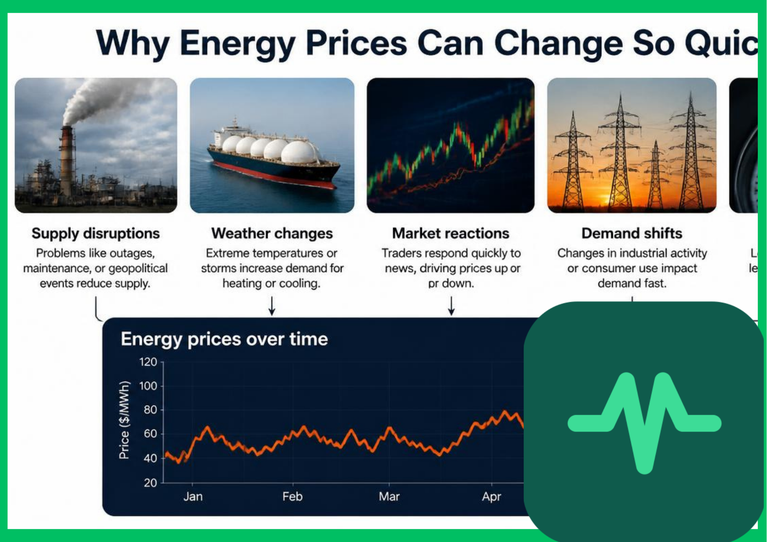
Grid connection bottlenecks affect not just renewable energy developers, but broader energy market dynamics, including electricity pricing and reliability planning, since capacity that's built but not yet connected doesn't contribute to actual electricity supply despite representing real, completed investment.
This creates genuine, practical implications extending well beyond individual project developers, affecting overall energy system planning and broader market confidence in how quickly new capacity can genuinely come online.
What genuine progress on this issue actually looks like
Meaningful improvement involves both faster administrative processing of connection requests and genuine physical infrastructure investment expanding grid capacity itself. Progress on either front alone, without the other, provides only partial, incomplete relief to this broader bottleneck.
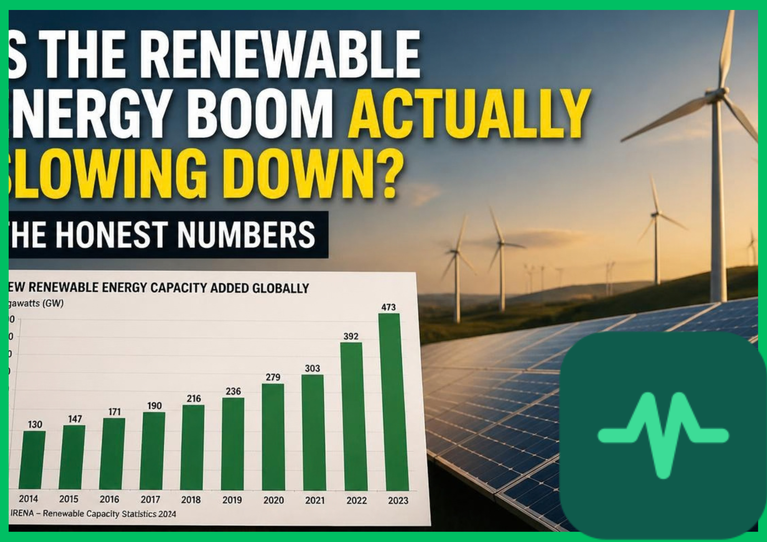
Some regions have made genuine progress addressing this specific challenge, while others continue experiencing significant, ongoing delays, creating the same kind of uneven, honest global picture seen across other aspects of the broader clean energy transition.
Why this obstacle deserves more attention than it typically gets
Grid connection delays rarely make dramatic headlines compared to more visible topics like new project announcements or policy debates. Yet this quiet, technical bottleneck genuinely shapes how quickly clean energy can meaningfully scale up in practice.
Understanding this less visible challenge provides a more genuinely complete picture of what's actually determining the pace of clean energy adoption, beyond simply how many new projects get announced or approved for development.
The honest bottom line
Grid connection delays represent a genuine, significant, if often overlooked, obstacle slowing clean energy's practical growth in many regions. This isn't a problem with the generation technology itself, but with the broader infrastructure and processes needed to actually deliver that generated power where it's needed.
Addressing this bottleneck meaningfully requires both process improvements and genuine infrastructure investment, and continued attention to this less visible challenge deserves a place alongside more prominent clean energy conversations happening globally.

Comments (0)
Login to leave a comment.
No comments yet. Be the first to share your thoughts!