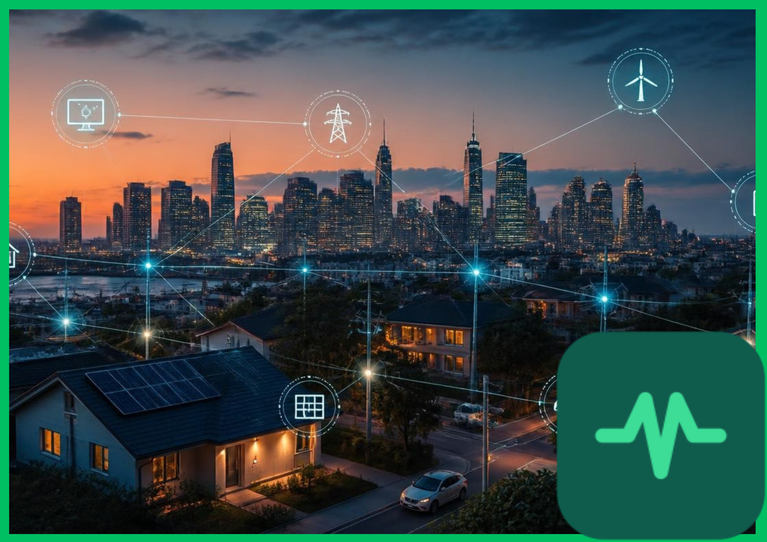
But what does it actually mean? Let's break it down simply.
The old grid, in plain terms
For most of history, power grids worked one simple way. Electricity flowed from a big power plant, through wires, into your home. One direction. No real communication involved.
If something broke, workers found out when someone called to complain. The system had no way to sense problems on its own.
What makes a grid "smart"
A smart grid adds something the old system never had. It adds sensors, communication, and computer analysis throughout the whole network.
Think of it like the difference between a dumb phone and a smartphone. Both make calls. But one can also sense, learn, and react. A smart grid does the same thing, just with electricity instead of apps.
How this actually works
Sensors get placed throughout the power system. They watch things like voltage, demand, and equipment health in real time.
This data flows back to computers that analyze it constantly. These systems can spot a problem before it becomes an outage. They can shift power around to where it's needed most. They can even predict future demand based on patterns.
Why this actually matters to you
A smart grid can prevent outages before they happen. Instead of waiting for something to fail, the system can often catch warning signs early and fix them.
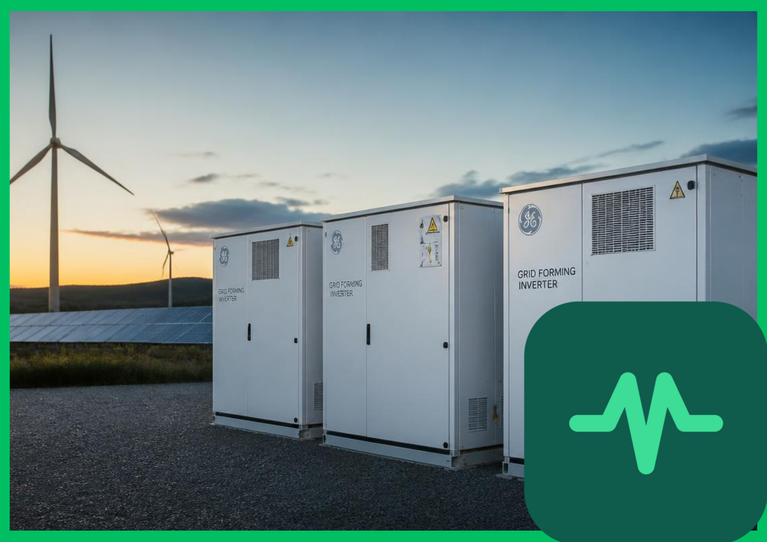
It also handles renewable energy much better. Solar and wind power aren't steady like a traditional power plant. Their output rises and falls with weather. A smart grid can adjust quickly, keeping things stable even when the sun goes behind a cloud or the wind dies down.
The two-way street
Old grids only sent power one way, from plant to home. Smart grids often allow power to flow both ways.
This matters more than it sounds. If you have solar panels, extra power you generate can flow back into the grid instead of going to waste. Your neighbor might use electricity your rooftop made an hour earlier. That kind of exchange simply wasn't possible with the old system.
Smart meters, explained
You may have heard of smart meters too. These are the personal version of this bigger idea.
A smart meter tracks your electricity use in detail, not just once a month like an old meter. It can show you exactly when you use the most power. This helps you spot waste and adjust habits, potentially lowering your bill.
Why upgrading takes so long
If smart grids are this useful, why doesn't every place have one already? The honest answer is cost and complexity.
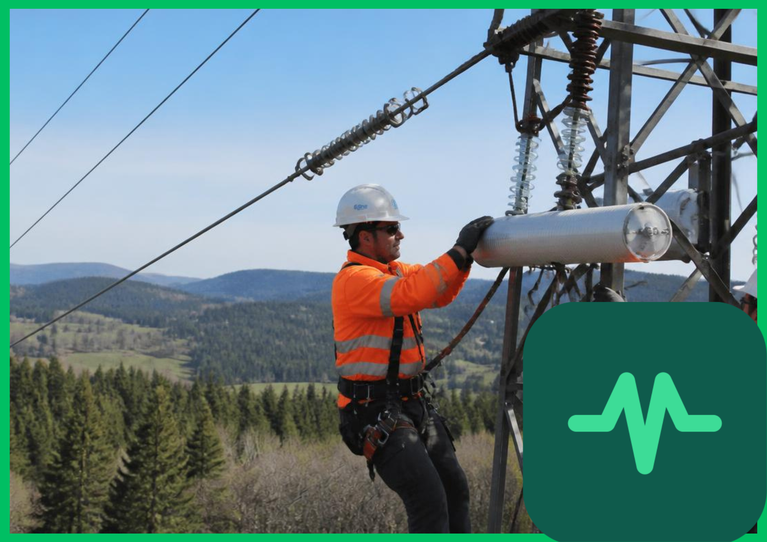
Power grids were built over many decades. Replacing old equipment with smart, connected versions takes enormous investment and careful planning. You can't just flip a switch and upgrade an entire country's electrical system overnight.
The security question worth understanding
More connected systems also mean more things that could potentially be hacked. This is a real, honest concern that engineers take seriously.
Smart grid systems are built with security specifically in mind, but no connected system is perfectly immune to attack. This is an ongoing challenge, not a solved problem, and it deserves continued attention as these systems keep expanding.
Why this connects to renewable energy so directly
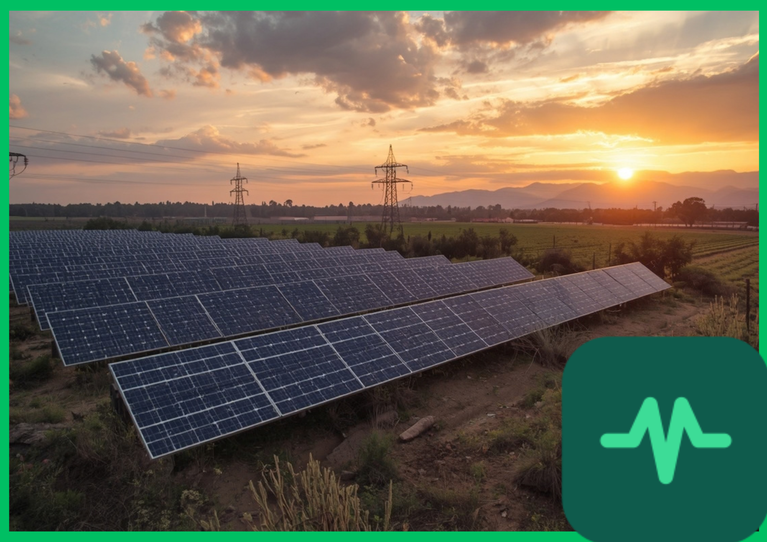
As more homes add solar panels, and more wind farms come online, the grid gets harder to manage using old methods. Power now comes from thousands of small sources instead of a few big ones.
A smart grid is what makes this messy, distributed system actually work smoothly. Without it, adding too much renewable energy could genuinely destabilize an old-style grid.
What the future likely looks like
Expect more sensors, more automation, and more two-way power flow as time goes on. Expect your own home to potentially become part of the grid itself, not just a place that consumes power from it.
Electric cars are part of this future too. A car battery sitting in your driveway could one day help stabilize the grid, storing power when it's cheap and feeding it back when it's needed most.
The bottom line
A smart grid is simply an old power system upgraded with sensors, communication, and computer smarts. It catches problems early. It handles renewable energy better. And it opens the door to a more flexible, resilient electricity system overall.
This isn't a flashy, visible change. Most people will never see the actual equipment involved. But its effects, fewer outages, better renewable integration, smarter energy use, will quietly touch nearly everyone's daily life.
Comments (0)
Login to leave a comment.
No comments yet. Be the first to share your thoughts!