
What if you could simply save summer's extra energy and use it months later? That's the idea behind seasonal hydrogen storage.
Why batteries can't solve this problem alone
Batteries are excellent at short-term storage. They can hold power for a few hours, even a few days, quite efficiently.
But batteries aren't practical for storing energy across months. They lose some charge over time, and building batteries large enough to hold months of extra summer energy would be enormously expensive.
How hydrogen offers a different answer
Hydrogen can be made using extra electricity, then stored for long periods without the same kind of gradual energy loss batteries experience. Later, that stored hydrogen can be converted back into electricity whenever it's actually needed.
This makes hydrogen a genuinely realistic option for storing energy across an entire season, something batteries simply weren't designed to do well.
How this process actually works, step by step
During summer, when solar panels produce more electricity than the grid needs, that extra electricity gets used to split water into hydrogen and oxygen. This is the same electrolysis process used to make green hydrogen.
The hydrogen gets stored, often in large tanks or underground formations, sitting patiently until it's needed. When winter arrives and energy demand rises while solar output falls, that stored hydrogen gets converted back into electricity using a device called a fuel cell.
Why this matters for renewable energy specifically
Solar and wind power naturally follow seasonal patterns. Many regions get considerably more sunshine in summer than winter, while wind patterns can also shift throughout the year.
Without a way to store energy across seasons, regions relying heavily on renewable energy risk running short during their weaker season. Seasonal hydrogen storage offers a genuine solution to this exact mismatch.
The honest efficiency tradeoff
Converting electricity into hydrogen, storing it, then converting it back into electricity isn't perfectly efficient. Some energy gets lost at each step of this process.
This means seasonal hydrogen storage isn't as efficient as using electricity directly. But for solving a problem batteries genuinely can't handle well, storing energy across many months, this tradeoff becomes worth accepting.
Why this isn't really competing with batteries
It's worth understanding that hydrogen and batteries aren't fighting for the same job here. Batteries remain the better choice for short-term storage, smoothing out daily ups and downs in power supply.
Hydrogen fills a different, longer-term role, bridging the gap between seasons rather than between hours. Both technologies can genuinely work together within the same energy system, each handling what it does best.
Where this idea is being tested right now
Researchers have been studying this exact concept for renewable-powered homes and communities, testing whether storing summer solar energy as hydrogen can reliably cover winter energy needs months later.
Early results suggest this approach genuinely works as a technical concept. The bigger question now is how to make it affordable and practical at a larger scale.
The honest challenges still being worked out
Building the infrastructure needed for this kind of storage, tanks, electrolysis equipment, fuel cells, requires real investment. This is a genuine barrier to widespread adoption right now.
Safety is another honest consideration. Hydrogen requires careful handling, and infrastructure needs to be built with proper safety standards in mind, adding further cost and complexity to widespread deployment.
Why this idea remains worth pursuing
Despite these challenges, seasonal energy storage solves a real, fundamental problem standing in the way of relying more heavily on renewable energy. Without a way to bridge seasonal gaps, regions may always need some backup from other, less clean energy sources.
Hydrogen offers a genuinely promising path toward closing that gap completely, rather than accepting it as a permanent limitation of renewable energy.
What this could mean for the average household eventually
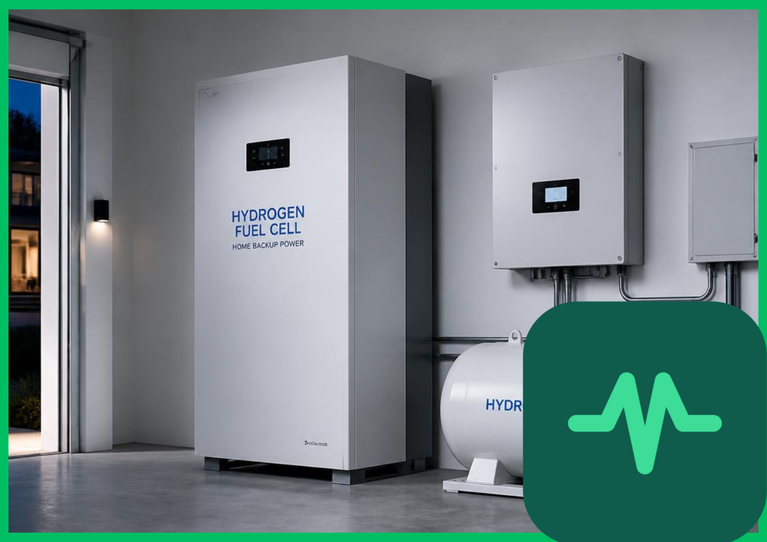
In theory, a home or community with enough solar panels and hydrogen storage capacity could become far more self-sufficient throughout the entire year, not just during sunny months.
This remains a developing idea rather than something widely available today. But the core concept, saving summer's abundance for winter's shortage, offers a genuinely compelling vision for where renewable energy could eventually go.
The bottom line
Hydrogen offers a real, practical way to store renewable energy across entire seasons, solving a problem batteries simply aren't built to handle. The idea works technically, though cost and infrastructure challenges remain before it becomes widely available.
This is one of the more clever, if less well-known, ideas in the renewable energy world right now. Saving summer sunshine for a cold winter day sounds almost too simple to work, yet the science behind it is genuinely sound.
Comments (0)
Login to leave a comment.
No comments yet. Be the first to share your thoughts!