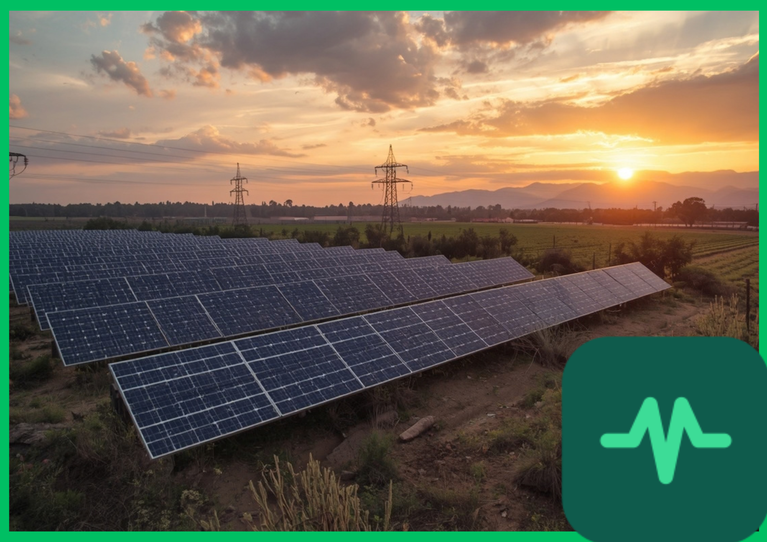
For a long time, places like this simply had no good options. Now, they have a real one: the microgrid.
What a microgrid actually is
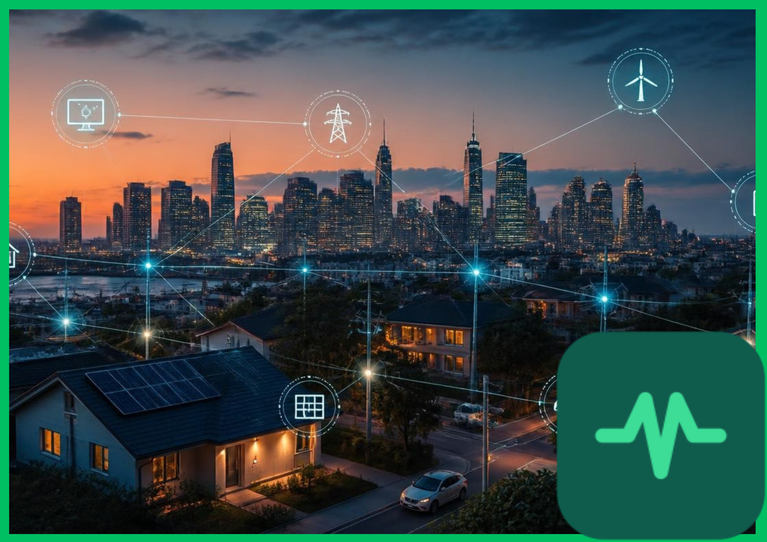
A microgrid is a small, self-contained power system. It generates its own electricity, usually from solar panels or wind turbines, and stores it in batteries.
Unlike a normal grid, it doesn't need to connect to a huge national network. It can run entirely on its own, powering just one community, one hospital, or even one large building.
Why this idea is so powerful
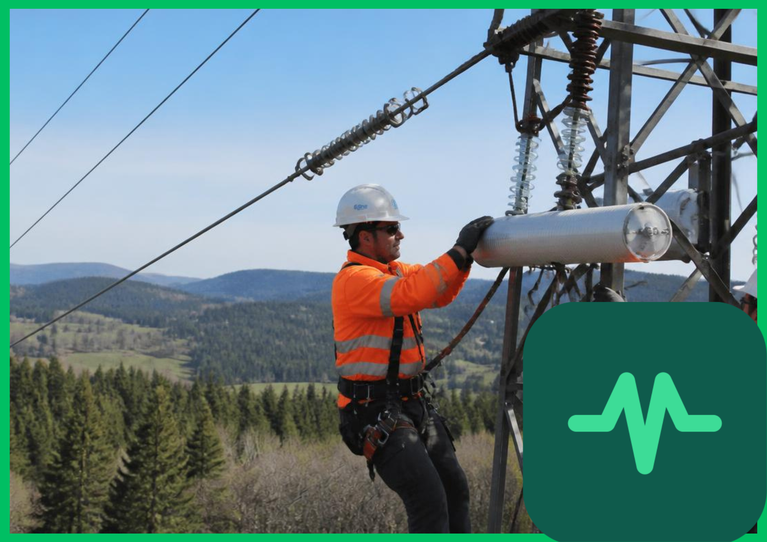
Traditional power grids require massive infrastructure. Long wires. Huge substations. Years of construction.
A microgrid skips most of that. You install solar panels and batteries locally, and the community has power almost immediately. This is a much faster, much cheaper path to electricity than waiting for a traditional grid to arrive.
Where microgrids make the biggest difference
Remote villages are an obvious example. But microgrids help in surprising places too.
Hospitals sometimes use them as backup, ensuring life-saving equipment never loses power during an outage. Universities use them to keep research running smoothly. Military bases use them for the same reason, reliability above all else.
Islands are another strong example. Shipping fuel to a small island for a traditional power plant is expensive and slow. A microgrid built from local solar and wind avoids that problem entirely.
How a microgrid handles power on its own
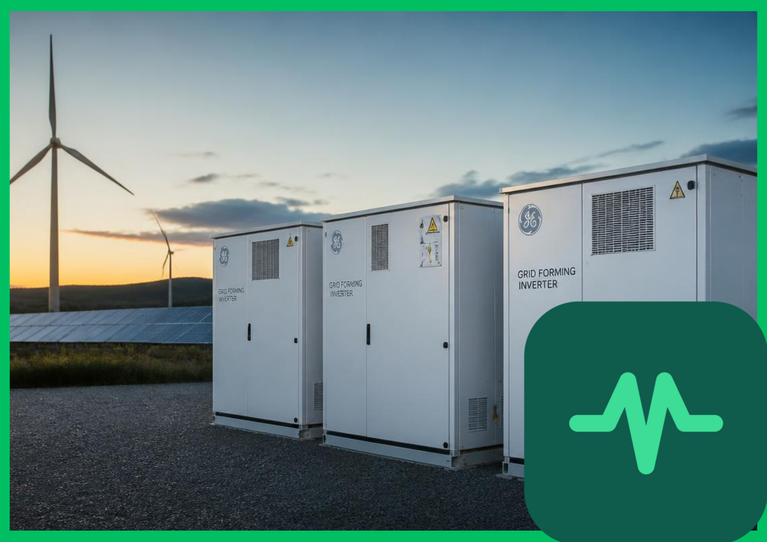
Solar panels or wind turbines generate electricity throughout the day. Batteries store any extra for later use, especially at night or during calm, cloudy weather.
Smart controls manage all of this automatically, deciding when to use stored power and when to generate fresh power. This happens without anyone needing to flip a switch manually.
The "island mode" feature worth understanding
One of the most useful microgrid features is something called island mode. This means the microgrid can disconnect from a larger grid during an outage and keep running completely on its own.
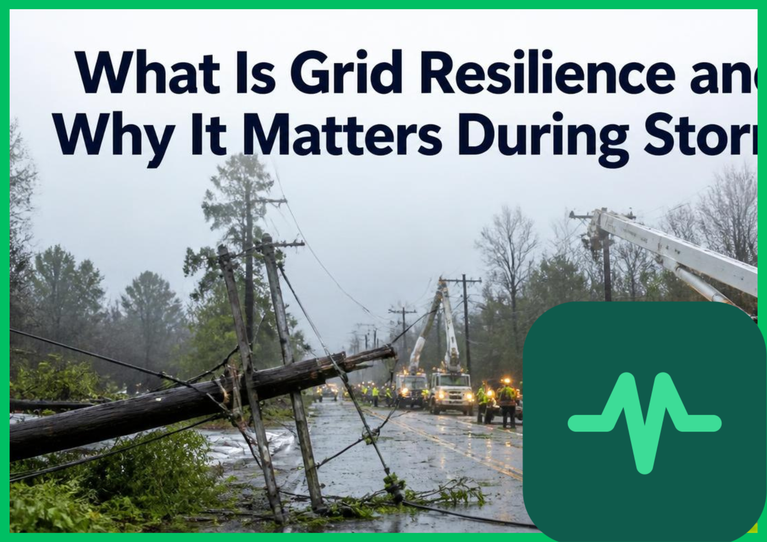
Imagine a storm knocks out the main power grid across an entire region. A hospital with a microgrid can simply "island" itself, continuing to run on its own solar and battery power while the surrounding area sits in darkness.
Why this matters for climate resilience
As storms and extreme weather become more common, this kind of backup becomes more valuable. A community with its own microgrid isn't as vulnerable when the main grid fails.
This is quietly becoming one of the most practical arguments for microgrids, not just cost savings, but genuine resilience when things go wrong elsewhere.
The honest limitations worth knowing
Microgrids work best for smaller-scale needs. They're not a replacement for large, national power systems serving millions of people.
Storage capacity also limits how much backup power is available. If cloudy weather or calm winds last too long, a microgrid may need backup generation, like a small generator, to fill the gap.
Upfront costs, while lower than building traditional infrastructure to a remote area, are still a real investment that requires planning and funding.
Why this technology keeps growing
As solar panels and batteries get cheaper every year, microgrids become more accessible to more communities. What used to be too expensive for smaller towns is now genuinely realistic.
This trend shows no sign of slowing. If anything, falling costs and improving battery technology continue making microgrids a more attractive option each year.
What this means for global energy access
Millions of people worldwide still lack reliable access to electricity. Traditional grid expansion is often too slow and too expensive to reach every remote area quickly.
Microgrids offer a faster, more flexible path. They can bring real, reliable power to places that might otherwise wait decades for a traditional connection.
The bottom line
A microgrid is a small, independent power system that generates, stores, and manages its own electricity. It brings power to remote places faster than traditional grids ever could, and it adds valuable backup resilience even in places that already have reliable power.
This isn't a futuristic concept. It's already working in real communities, hospitals, and islands around the world today. As costs keep falling, expect to see many more of them in the years ahead.
Comments (0)
Login to leave a comment.
No comments yet. Be the first to share your thoughts!