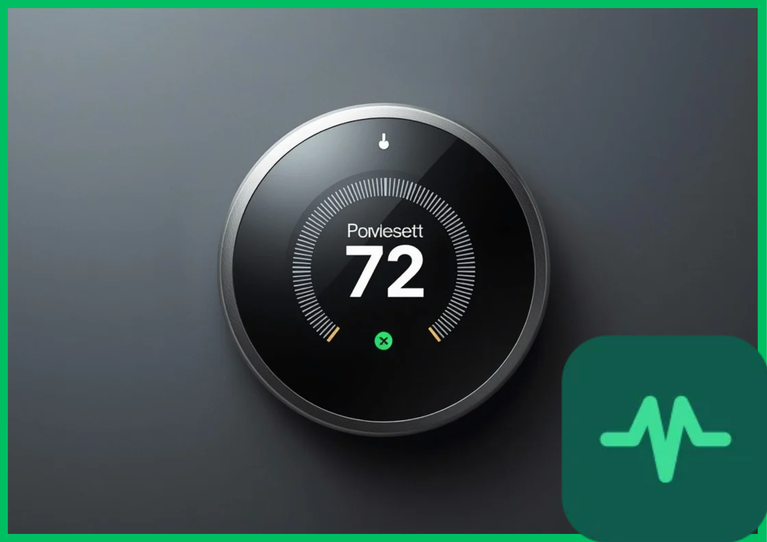
Conventional thermostats operate via rigid feedback loops, triggering heating or cooling cycles only after indoor air temperatures deviate past a pre-set deadband threshold. This reactive control methodology induces compressor cycling losses, thermal overshoot, and excessive peak electrical grid demand. In contrast, predictive smart thermostats integrate external weather forecasts, building thermal inertia calculations, and occupant behavior modeling into advanced Model Predictive Control (MPC) frameworks, reducing residential HVAC energy consumption by 10% to 25% while maintaining precise thermal comfort.
Thermal Inertia Modeling and Building Envelope Physics
The foundational thermodynamic mechanism underlying predictive HVAC control is building thermal mass characterization using equivalent resistor-capacitor (RC) thermal networks. A residential building envelope stores and transfers thermal energy through exterior walls, insulation layers, window glazing, and internal structural mass. This dynamic behavior is modeled mathematically using differential equations representing thermal resistance ( ) and thermal capacitance (
 ):


where  and
 represent interior and exterior absolute temperatures measured in Celsius or Kelvin,
 denotes solar radiation heat gains through fenestration,
 accounts for internal heat loads generated by appliances and occupants, and
 represents active thermal energy delivered by the HVAC equipment.
Predictive control algorithms compute the building thermal time constant (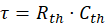 ), which typically ranges from 5 hours to 20 hours depending on construction mass. By calculating how rapidly or slowly the indoor air temperature changes in response to ambient weather fluctuations, the thermostat anticipates thermal drift and modulates HVAC compressor output proactively rather than reactively.
Machine Learning Algorithms and Occupant Behavior Modeling
Advanced smart thermostats deploy machine learning algorithms—including recurrent neural networks (RNNs) and reinforcement learning models—to execute continuous occupant behavior modeling. Rather than relying on static, manual programming schedules, these systems monitor historical occupancy patterns, door-opening sensors, micro-location geofencing data, and thermal preference adjustments.
The machine learning controller evaluates multi-variable inputs to forecast upcoming occupancy intervals with high statistical accuracy. If the predictive model determines that a residential zone will remain unoccupied for a four-hour duration during a peak cooling period, the algorithm adjusts the temperature setpoint upward, allowing the indoor air temperature to float within comfort limits without engaging the energy-intensive vapor-compression compressor. When approaching the forecasted return time of the occupants, the thermostat initiates pre-cooling calculations, factoring in exterior ambient temperatures and solar load intensity to achieve the desired thermal setpoint precisely as occupants arrive. This dynamic setpoint scheduling eliminates energy waste associated with conditioning empty spaces.
HVAC Cycling Optimization and Coefficient of Performance
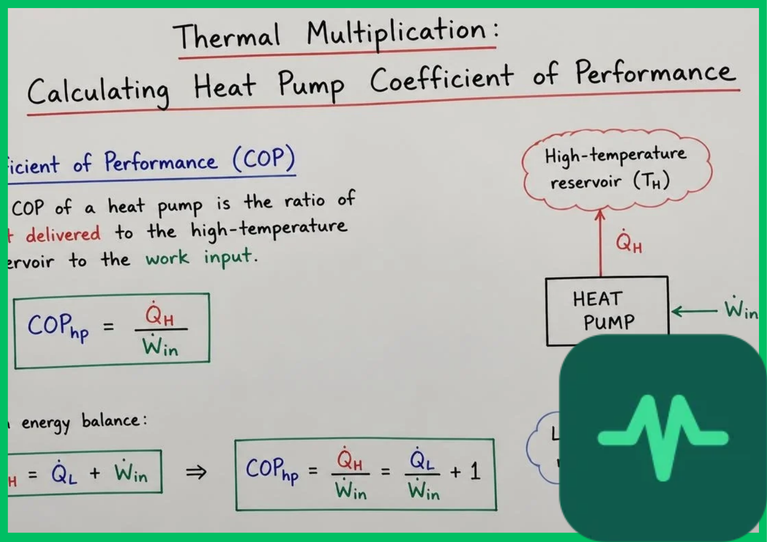
Optimizing compressor cycling frequency is critical for maximizing HVAC coefficient of performance ( ) and mitigating mechanical degradation. Conventional thermostats often induce short-cycling, where heat pumps or air conditioners switch on and off at short intervals. Short-cycling degrades system energy efficiency because vapor-compression systems require several minutes of continuous operation to achieve steady-state thermodynamic equilibrium, during which refrigerant pressures and mass flow rates stabilize.
Predictive thermodynamic control algorithms smooth out operational cycles by utilizing long-horizon optimization models. By anticipating heating or cooling loads hours in advance, the control system commands variable-speed inverter compressors to operate at lower, highly efficient part-load capacities over extended durations. Operating heat pumps at part-load ratios between 30% and 60% elevates seasonal energy efficiency ratios (SEER) and seasonal coefficient of performance ( ) values by 15% to 30%, while reducing mechanical wear on compressor bearings and electrical switching relays.
Technical Data Specifications of Predictive Thermal Parameters
| Control & Thermodynamic Parameter | Engineering Specification Range |
|---|---|
Building Thermal Time Constant ( ) |  to  (  mass metric) |
| HVAC Energy Reduction Efficiency | 10% to 25% annual electricity savings |
| Part-Load Compressor Operating Ratio | 30% to 60% capacity modulation |
| Indoor Temperature Deadband Window |  to  (  to  ) |
| Weather Forecasting Data Latency | Hourly cloud cover, humidity, and solar irradiance updates |
| Occupancy Prediction Accuracy |  machine learning temporal precision |
| SEER / SCOP Efficiency Improvement | 15% to 30% seasonal performance gain |
Dynamic Pre-Cooling and Peak Tariff Load Shifting
Predictive thermal control systems also interface with electrical grid dynamic pricing structures to execute automated demand response and peak load shifting. During peak electricity demand intervals—when regional grid carbon intensities and wholesale electricity tariffs reach maximum levels—smart thermostats leverage building thermal mass as a passive thermal battery.
Before the onset of high-tariff hours, the predictive control algorithm initiates pre-cooling, chilling the structural mass and indoor air slightly below the nominal comfort setpoint (e.g., lowering temperature by  to
 [
 to
 ]). During the high-tariff peak window, the HVAC compressor shuts down or operates at minimal capacity. The high thermal capacitance of the building envelope absorbs incoming solar and ambient heat loads, keeping indoor temperatures within human thermal comfort thresholds without drawing high-power electrical current from the grid. This load-shifting capability reduces residential utility expenditures and relieves strain on electrical transmission networks during extreme weather events.
The Final Take
Mastering smart thermostat predictive thermodynamic control modernizes residential energy management through advanced building physics and machine learning. Citing IEA building sector reports and ENERGY STAR performance engineering data, integrating RC thermal network modeling, occupant behavior prediction, and inverter compressor optimization slashes HVAC energy consumption by up to 25%. By aligning automated setpoint scheduling with dynamic building thermal inertia, smart thermostats deliver an essential technical foundation for low-carbon residential energy efficiency.


Comments (0)
Login to leave a comment.
No comments yet. Be the first to share your thoughts!