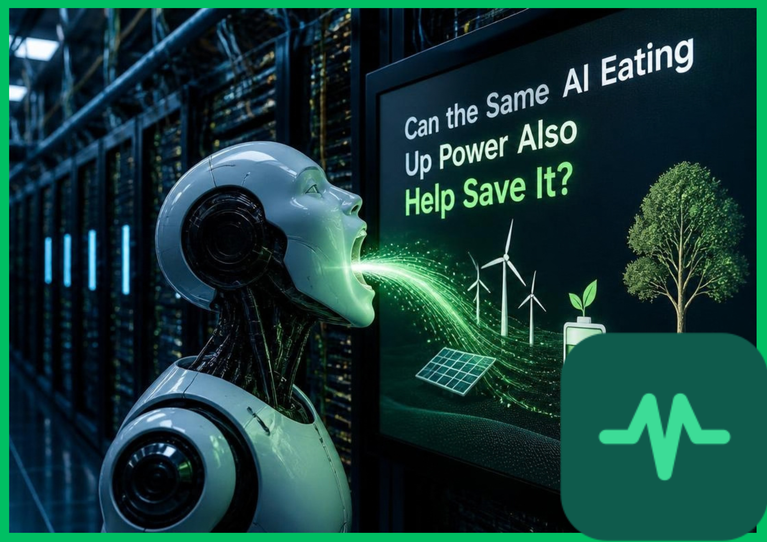
At the same time, that very same technology might help cut emissions elsewhere in ways that outweigh its own footprint. Both things can be true at once, and understanding this honestly matters.
The honest problem side first
Training and running large AI systems takes serious computing power. That power has to come from somewhere, and much of it still comes from electricity grids that aren't fully clean yet.
This demand has grown so quickly that it's now a real factor in overall electricity growth worldwide. This isn't a small, easily dismissed detail. It's a genuine, honest concern worth taking seriously.
Now, the other side of the story
Researchers have studied how AI could help reduce emissions elsewhere in the economy, not just in the data centers running it. Their estimates suggest AI could help cut a genuinely significant amount of global emissions by the mid-2030s, if applied well.
This isn't a wild claim pulled from nowhere. It reflects specific, practical ways AI can improve how energy gets used across many different industries.
Where AI actually helps cut emissions
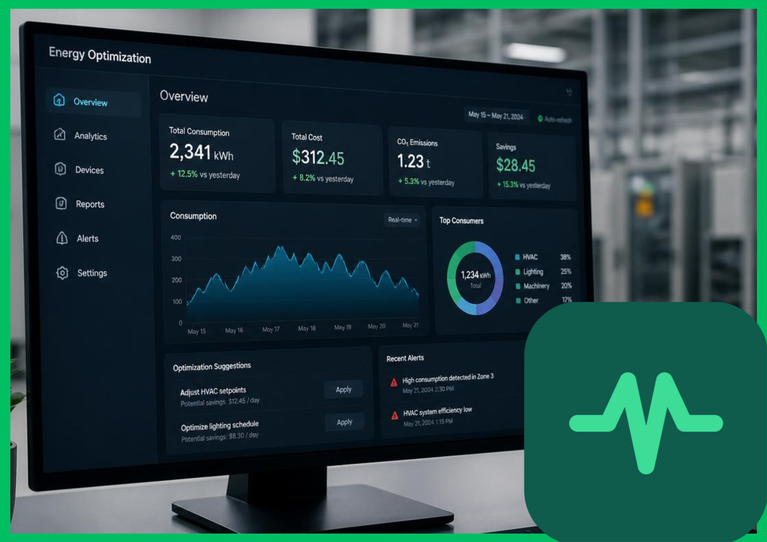
Smarter grid management is one clear example. AI can help predict electricity demand more accurately, letting grid operators plan more efficiently and waste less power overall.
AI can also optimize industrial processes, finding small efficiency gains across factories and supply chains that would be nearly impossible for humans to spot manually across such massive, complex systems.
Better weather and renewable energy forecasting, something we've discussed elsewhere, is another genuine contribution AI makes, helping grids use more solar and wind power reliably.
Why this creates such an honest, complicated picture
AI itself uses real energy and creates real emissions from that usage. At the same time, if applied well, it can help reduce emissions elsewhere by a larger amount than its own footprint.
This means the honest answer to "is AI good or bad for the climate" isn't a simple yes or no. It genuinely depends on how AI actually gets used, and whether its emission-cutting potential gets applied seriously.
Why this potential isn't automatic
Just because AI could reduce emissions doesn't mean it automatically will. Companies need to actually build and deploy these emission-reducing applications, not just use AI for other purposes entirely unrelated to sustainability.
This is a genuinely important distinction. The technology's positive potential requires deliberate effort to actually realize, rather than happening automatically as a side effect of AI simply becoming more popular.
Why the data center energy problem still needs solving
Even if AI helps cut emissions elsewhere, the data centers running it still need real, honest solutions for their own energy use. This is exactly why so much investment is flowing into clean energy specifically to power these facilities.
Solving both sides of this equation, AI's own energy use and its potential emission-cutting benefits elsewhere, needs to happen together, not treated as separate, unrelated problems.
What responsible AI development could look like
Companies powering their data centers with genuinely clean electricity address one side of this equation directly. Meanwhile, actively building AI tools specifically designed to cut emissions in other industries addresses the other side.
Doing both simultaneously offers the most honest, complete path toward AI being a genuine net positive for the climate, rather than simply adding a new source of emissions on top of existing ones.
Why skepticism about this topic is reasonable
Given how much AI hype exists right now, it's genuinely reasonable to be skeptical of grand claims about AI solving climate change. Healthy skepticism helps separate real, measurable progress from vague marketing promises.
The honest answer sits between blind optimism and complete dismissal. AI has genuine potential to help, but that potential requires real, deliberate effort to become reality, not simply excited claims about future possibilities.
What this means for how we should think about this issue
Rather than asking simply whether AI is good or bad for the climate, a more useful question asks whether AI's energy use is being paired with real efforts to power it cleanly, and whether its problem-solving potential is being seriously applied elsewhere.
This more specific, honest framing gives you a genuinely clearer way to evaluate individual companies and projects, rather than judging the entire technology as one single, uniform thing.
Why this conversation will keep evolving
As AI use continues growing, and as more companies commit to cleaner power and emission-reducing applications, the honest balance between AI's costs and benefits will keep shifting. This isn't a settled, finished story yet.
Staying informed about both sides, the real energy cost and the real potential benefit, gives you a more complete, honest picture than following either the hype or the criticism alone.
The bottom line
AI genuinely uses significant energy and creates real emissions today. It also holds genuine, meaningful potential to help cut emissions elsewhere, if that potential gets seriously and deliberately pursued.
Neither side of this story cancels out the other automatically. The honest, complete picture requires paying attention to both, and holding companies accountable for making real progress on each side rather than only celebrating the exciting parts.


Comments (0)
Login to leave a comment.
No comments yet. Be the first to share your thoughts!