 ) emissions, with deep-sea container vessels driving the vast majority of fuel consumption. Traditional heavy fuel oil (HFO) propulsion produces high sulfur oxides, nitrogen oxides, and greenhouse gas emissions that violate tightening International Maritime Organization (IMO) carbon intensity targets. Replacing bunker fuel with green ammonia (
 ) synthesized from green hydrogen and atmospheric nitrogen eliminates maritime carbon emissions entirely, but requires massive capital investments in Haber-Bosch synthesis plants, cryogenic bunkering terminals, and dual-fuel internal combustion engines.
Green Ammonia Synthesis Chemistry and Haber-Bosch Energetics
The foundational chemical manufacturing process for green ammonia is the Haber-Bosch synthesis reaction operating under renewable energy inputs. Traditional ammonia production relies on steam methane reforming (SMR) of natural gas, generating high carbon emissions ( ). In contrast, green ammonia synthesis utilizes green hydrogen produced via water electrolysis powered by renewable wind and solar electricity, combined with pure nitrogen gas separated from ambient air via cryogenic air separation units (ASU).
The catalytic Haber-Bosch reaction combines hydrogen and nitrogen over promoted iron or ruthenium catalysts at high pressures ( to
 [
 ]) and elevated temperatures (
 to
 [
 to
 ]):


This exothermic reaction requires substantial electrical energy inputs. Total specific energy consumption for green ammonia production ranges from  to
 of
 , resulting in an energy conversion efficiency of 55% to 65% from raw electrical input to chemical bond energy storage.
Cryogenic Storage Physics and Bunkering Infrastructure Economics
Storing and handling ammonia as a marine fuel introduces severe cryogenic and toxicity constraints compared to traditional heavy fuel oil. Anhydrous ammonia is a toxic, corrosive gas at standard atmospheric conditions, requiring specialized containment systems. Liquefying ammonia for maritime transport requires maintaining cryogenic temperatures of  (
 ) at atmospheric pressure, or pressurizing the storage vessel to
 (
 ) at ambient temperature (
 [
 ]).
Because the volumetric energy density of liquid ammonia ( ) is roughly half that of diesel fuel (
 ), marine vessels must install fuel storage tanks with double the volumetric capacity to maintain equivalent transoceanic cruising ranges. Bunkering infrastructure economics require constructing cryogenic port terminal facilities equipped with stainless steel storage spheres, boil-off gas reliquefaction plants, vapor recovery units, and specialized double-walled bunkering pipelines designed to prevent catastrophic leakage and marine toxicity events.
Technical Data Specifications of Green Ammonia Marine Parameters
| Chemical & Bunkering Parameter | Engineering Specification Standard |
|---|---|
| Ammonia Boiling Point (Atmospheric) |  (  ) at  (  ) |
| Volumetric Energy Density (Liquid) |  ( 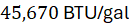 ) |
| Gravimetric Energy Density |  ( 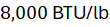 ) lower heating value |
| Haber-Bosch Synthesis Pressure |  to  (  ) |
| Specific Electrical Energy Input |  to  of green  produced |
| Engine Combustion Flame Speed | Low laminar burning velocity (requires pilot diesel ignition) |
| Toxicity Odor Threshold Limit |  to  air concentration limit |
Dual-Fuel Internal Combustion Engines and Nitrogen Oxide Abatement
Propelling large container ships with green ammonia requires advanced dual-fuel internal combustion engine architectures or solid oxide fuel cells. Ammonia possesses a high octane rating and a narrow flammability range, coupled with a low laminar burning velocity. These thermodynamic properties prevent pure compression ignition in standard diesel engines, necessitating the injection of a pilot fuel (such as green biodiesel or hydrogen) comprising 5% to 10% of total energy input to ignite the ammonia charge.
Furthermore, burning ammonia inside high-temperature combustion chambers generates significant emissions of nitrogen oxides ( and nitrous oxide
 , a greenhouse gas with a global warming potential 273 times greater than
 ). Maritime propulsion systems must integrate selective catalytic reduction (SCR) reactors utilizing urea injection to scrub exhaust gases, alongside ammonia slip catalysts that capture unburnt
 before stack discharge.
Global Supply Chain Economics and Infrastructure Capital Expenditure
Deploying green ammonia across global shipping lanes requires massive capital expenditures ( ) spanning renewable electricity generation, hydrogen electrolysis parks, port storage terminals, and bunkering vessels. According to IEA and UNEP maritime infrastructure assessments, scaling green ammonia production to supply 20% of global shipping fuel demand by 2050 requires over
 in cumulative capital investments.
Port bunkering economics dictate that fuel supply hubs must be established at major strategic maritime chokepoints (such as Singapore, Rotterdam, and Panama) to ensure refueling logistics for intercontinental container fleets. While green ammonia production costs currently exceed fossil bunker fuels by a factor of two to three, implementing global carbon pricing mechanisms and mandatory maritime emissions penalties will narrow the economic parity gap over the coming decade.
The Final Take
Mastering green ammonia shipping fuel bunkering economics transforms maritime decarbonization by replacing carbon-intensive fossil fuels with zero-emission chemical energy storage. Citing IEA and UNEP maritime reports, optimizing Haber-Bosch synthesis energy efficiency, cryogenic storage containment, and dual-fuel engine combustion limits enables scalable transoceanic shipping. By deploying robust bunkering infrastructure and advanced  abatement technologies, green ammonia establishes an indispensable technical foundation for global maritime sustainability.


Comments (0)
Login to leave a comment.
No comments yet. Be the first to share your thoughts!