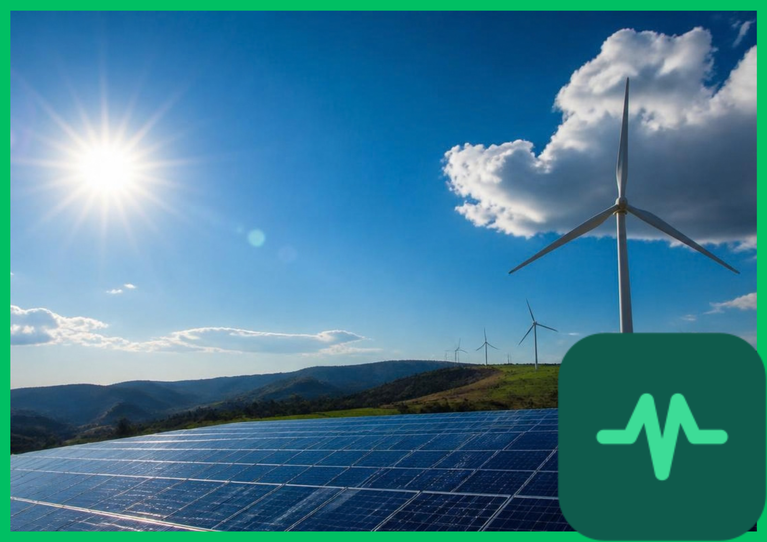
This has always been the tricky part of renewable energy. Now, artificial intelligence is helping solve it.
The basic problem, explained simply
Grid operators need to know how much power will be available at any given moment. With traditional power plants, this is easy. You just turn a dial.
With solar and wind, the answer depends entirely on weather. A cloudy afternoon can cut solar output dramatically. A calm day can leave wind turbines nearly silent.
Without good predictions, grid operators struggle to plan. They might keep backup power plants running unnecessarily, just in case. Or worse, they might not have enough power ready when it's actually needed.
How AI changes this picture
AI systems can study huge amounts of weather data, far more than a human forecaster could process alone. They learn patterns from years of past weather and past energy output, connecting the dots between the two.
Over time, these systems get remarkably good at predicting how much solar and wind power will actually be available hours, or even days, in advance.
Why this prediction actually matters
Better predictions mean grid operators can plan more precisely. They can decide exactly how much backup power to keep ready, rather than guessing and often over-preparing just to stay safe.
This saves money. It also reduces unnecessary fuel use from backup plants that would otherwise run "just in case" more often than truly necessary.
How this connects to your electricity bill
When grids run more efficiently, costs tend to come down over time. Less wasted backup power means lower overall system costs, and some of that savings eventually reaches consumers through electricity pricing.
This isn't a dramatic, overnight effect. But over years, better forecasting contributes to a more efficient, less wasteful energy system overall.
Why this makes more renewable energy possible
Here's the surprising part. Better predictions don't just save money. They actually make it possible to add more solar and wind to the grid in the first place.
Grid operators are naturally cautious about adding too much unpredictable power. Better forecasting reduces that uncertainty, giving operators more confidence to expand renewable capacity without risking blackouts or instability.
What this looks like in practice
Imagine a grid operator checking a forecast the night before. AI tells them tomorrow will be sunny with light wind. They know exactly how much solar power to expect throughout the day, adjusting other power sources accordingly.
The next day might show heavy clouds and strong wind instead. The system adjusts predictions accordingly, shifting expectations toward more wind power and less solar.
This constant, detailed adjustment happens automatically, far faster and more precisely than manual forecasting ever could manage.
The honest limits of this technology
AI forecasting isn't perfect. Weather remains genuinely unpredictable at times, and even the best models occasionally get surprised by sudden changes.
This means grids still need some backup flexibility, even with excellent forecasting in place. AI reduces uncertainty significantly, but it doesn't eliminate it entirely.
Why this technology keeps improving
The more data these AI systems process, the better they get. Every day of weather and energy output becomes another lesson the system learns from.
This means forecasting accuracy keeps improving over time, almost automatically, as more historical data accumulates and computing power continues advancing.
Why this story doesn't get much attention
Compared to flashy new solar panels or giant wind turbines, AI forecasting software isn't very exciting to look at. There's no dramatic photo, no shiny new machine.
But this quiet, invisible technology plays a genuinely important role in making renewable energy work smoothly at a large scale. Sometimes the most important innovations are the ones nobody actually sees.
The bottom line
AI is quietly solving one of renewable energy's oldest problems, predicting exactly how much power the sun and wind will provide. This makes grids more efficient, more affordable to run, and more capable of handling larger amounts of clean energy overall.
It won't make headlines the way a new solar farm might. But without this kind of quiet, behind-the-scenes intelligence, scaling up renewable energy would be a much harder, messier task than it already is.

Comments (0)
Login to leave a comment.
No comments yet. Be the first to share your thoughts!